



A speech delivered by Chris Dalglish, Institute for Heritage & Sustainable Human Development, to BEFS Historic Environment Scotland Policy Statement Conference.

The Historic Environment Scotland Policy Statement (HESPS) is currently being reviewed. HESPS sets out how Historic Environment Scotland fulfils its regulatory and advisory roles and how it expects others to interpret and implement Scottish Planning Policy with regard to historic environment matters.
The 2018 Built Environment Forum Scotland (BEFS) conference considered future Historic Environment policy both in terms of short-term pragmatism and long-term vision. Inherit was invited to deliver a short ‘provocation’ on one of the conference themes of Vision, Designation and Management. This provocation has been published on the Inherit website and is reproduced in full here.
“We want to talk to you about designation. We want to talk about justice. We want us all to begin seeing justice as a necessary requirement both for decisions to designate something in the first place and for subsequent decisions about the management of a designation.
This is our first proposal for you:
HESPS should contain an explicit commitment to delivering greater designation justice.
We believe that this mission – delivering greater designation justice – should be given high priority; if it is not, historic environment designations could inhibit people in their efforts to thrive as communities.
What do we mean by this?
Designation singles out buildings, places and areas of land and makes them the subject of particular policies or legal constraints. The intention is to influence the way in which places change.
Designation is a development intervention.
Normally, in this context, we would understand ‘development’ to have the meaning given to it in the planning system – construction, engineering and mining operations or changes in the use of land and buildings (2). Designation has the purpose of protecting and preserving the historic environment from, or through, development of this kind.
But designation also intervenes in the wider development of communities and their places. It can impact upon people’s lives and their prospects for the future.
This raises questions:
- Do current approaches to designation promote justice and sustainability?
- Or are they blind to the potential social consequences of designation?
- Are the people affected by designation decisions sufficiently involved in making those decisions?
We would argue that:
Current approaches to designation are not sustainable because they concentrate too narrowly on protecting and preserving things.
One reason for saying this is that current approaches are not sufficiently just, both in terms of the outcomes of designation decisions and in terms of the ways in which such decisions are made.
To expand on this a little, we would like to draw on some of our current research into the relationships between people and conservation. This is something we are working on here in Scotland, through a research project sponsored by Community Land Scotland. It is also something we are working on internationally, for example through a current project in the Aoos/Vjosa River region of Greece and Albania.
The Scottish work is looking at a range of conservation measures and their impacts upon rural communities. This includes designation.
There are three main questions here.
1. Can people currently participate in decisions that affect them?
HESPS promotes transparency, clear communication, due notification and consultation. It notes that people have certain rights of appeal and can also propose things for designation. We are also aware that HES and other organisations are actively experimenting with new approaches to engagement in designation decisions.
There are some real positives here, but current measures are not sufficient (when measured against the National Standards for Community Engagement (4) for example).
Our findings are that:
- People do not feel able to participate in designation decisions and therefore feel locked out of decisions that affect their lives;
- For many communities, the interactions they have with the relevant public sector organisations are not satisfactory. People feel as though things are always being done to them, rather than with them;
- There is also a feeling that the actions of built environment professionals stem from an inherited culture that does not value serious dialogue with communities.
There is a deficit between generally accepted principles of participation and people’s experience of the ways in which designation decisions are made.
2. What are the impacts of current approaches to designation on people and on their opportunities for development?
- There is a mixed picture when people are asked whether or not designations have had a positive or negative impact upon concrete development projects;
- Negative impacts are reported where it is felt that designations have unduly constrained development that is essential to the survival and flourishing of the community;
- Positive impacts are reported where designations are seen to have controlled development that people felt was being imposed upon them without benefitting them;
- The single most important finding is of a more subtle but more profound kind of impact. This is the impact that exclusion from decision-making has on people’s confidence, sense of security and drive as communities.
Current approaches to designation appear to be having a significant negative impact upon community confidence and resilience.
3. Where should the focus of attention be in seeking to improve participation in designation decisions?
The principles of ethical, inclusive and meaningful participation are now well established. There needs to be a more concerted effort to implement these principles in practice, and HESPS could usefully promote that objective.
More specifically, it is important to emphasise that:
Empowerment is necessary to achieving good participation.
Empowerment is the process that leads to people achieving greater control and influence over their circumstances. It is known that, if people don’t feel they can influence a decision, they are much less likely to participate. Conversely, it is also true that people need to participate to become empowered. We should see participation and empowerment as necessary to each other.
Community empowerment is being pursued widely in Scotland, of course – through community ownership, asset transfer and so on. It has also been a prominent issue in the planning review and in discussions surrounding the current Planning (Scotland) Bill.
To contribute to this wider effort, we believe that:
HESPS should explicitly promote empowerment in designation decisions.
This does not mean dispensing with the national perspective and with specialist expertise. Nor does it mean promoting any one interest to the exclusion of others.
It means that HESPS should strongly promote a shift in the relationships between communities and public bodies with designation responsibilities. It means going far beyond notification and consultation. It means accepting the community’s right to lead, and not just in limited or exceptional circumstances.
In relation to this, we believe that:
HESPS should contain an explicit commitment to bettering relationships between HES and community bodies (and associations of community bodies).
More active, cooperative and sustained relationships would create a good foundation for understanding the potential consequences of designation. They should lead to better decisions all round.
Achieving these aims of empowerment and better relationships requires leadership to be shown in relation to several other objectives:
- HES should explicitly commit to working for a change of culture amongst historic environment professionals in relation to designation decisions and practice.
- HESPS should promote the development of participation capabilities and capacity within HES and within other organisations with designation responsibilities.
Support will also need to be provided to community bodies to enable them to engage with and represent their communities regarding historic environment matters:
HESPS should commit to supporting community bodies in the development of their knowledge, skills and experience relating to historic environment matters.
There is a lot more to discuss on all these points but we believe that, together, they begin to map out a path to greater designation justice.”
Notes
1. ‘Designation + justice’ is a riff on the idea of landscape justice, which is the subject of a short essay by Inherit Director Chris Dalglish recently published on the Community Land Scotland website.
2. Town and Country Planning (Scotland) Act 1997
3. http://www.communitylandscotland.org.uk/
4. see www.voicescotland.org.uk; also, see Planning Advice Note 3/2010: Community engagement (2010)
BACK
Skills Development Scotland and Historic Environment Scotland are keen to hear from employers on the skills challenges facing the sector, and the main skills gaps.

Skills has been identified as a key priority for the Historic Environment sector in Scotland. The sector covers a number of broad market areas spanning historic and listed buildings and sites, the built environment, conservation areas, gardens/designed landscapes, historic landscapes, etc.
It also encompasses a large range of professions, occupations, casual and volunteering roles that cross over a number of sectors, including Construction, Creative Industries, Professional Services, and Tourism. In addition, it is recognised that some employers’ involvement in the Historic Environment sector will represent a small proportion of their business activity.
Skills Development Scotland and Historic Environment Scotland has appointed EKOS to develop a Historic Environment Skills Strategy and Action Plan which sets out the main skills issues for the sector and solutions for how these can be best addressed.
As part of the research, we are keen to hear from employers on the skills challenges facing the sector, and the main skills gaps – traditional/specialist skills, professional skills (e.g. archivists and curators, archaeology, surveying, architects), and supporting skills (e.g. leadership and management, digital). We are also interested in finding out more about the kinds of actions and responses which will be required to address challenges around workforce development and up-skilling.
We are interested to receive feedback from companies and organisations spanning the whole spectrum of involvement in the Historic Environment sector, from those involved only some of the time to those whose business activity is entirely based within the sector.
You can access the survey by clicking here: Historic Environment SIP – Employers Survey
The survey should take less than 10 minutes to complete. The deadline for responses is Friday 30th March 2018.
Please note all information is held in confidence and no comments will be attributable to any individual, with EKOS reporting back to SDS/HES in aggregate format. Should you have any questions please contact Nicola Graham, EKOS on 0141 353 1994 or by email: nicola.graham@ekos.co.uk.
BACK
Get The Latest Built Environment News, Events, Vacancies, Consultations And Publications In Our News Bulletin.

BEFS News
This year Historic Environment Scotland is undertaking a review of the Historic Environment Scotland Policy Statement. Join BEFS for our Historic Environment Scotland Policy Statement Conference on 15th March and influence what direction it may take. The conference will bring together the sector for an intensive workshop looking at creative and pragmatic approaches to caring for Scotland’s historic environment. There are limited places still available so book your tickets now.
The power for communities to have the right to buy abandoned, neglected, or detrimental land and buildings is soon to become available: what opportunities will it offer your community? In partnership with Glasgow City Heritage Trust, BEFS invites you to Power to the People: Understanding Community Right to Buy at Govanhill Baths on 14th March, to find out more about the new legislation.
The Scottish Parliament’s Local Government and Communities Committee is? hearing from a range of stakeholders, including BEFS, over the coming weeks on the Planning (Scotland) Bill. You can also provide your thoughts on their Dialogue group page now.
Celia Sweeney, Equalities Manager with Historic Environment Scotland shares insights from BEFS Board Diversity in Public and Third Sector Organisations event on 20th February 2018 in our first blog this week.
BEFS Policy & Advocacy Officer, Ailsa Macfarlane, follows this up with further reflections on Board diversity in her blog, Board Diversity – A Reflection, A Provocation.
Finally, Karen Grant, Reforesting Scotland and the Thousand Huts campaign, updates us on the latest developments, new legislation and a whole new movement of hutters, in our third blog this week.
Consultations
Call for Evidence – EU Environmental and Animal Welfare Principles (SP 05/03/18)
The call for written views will close at midday on Thursday 29 March 2018.
The Environment, Climate Change and Land Reform Committee, wants to hear from you on the general principles of the Scottish Crown Estate Bill which the Scottish Government introduced on 24 January 2018.
The deadline for responses is 12 noon Friday 23 March 2018.
Have your say on the future priorities of the Heritage Lottery Fund (HLF 31/01/18)
The consultation runs until Thursday 22 March 2018.
Consultation on LBTT First Time Buyers Relief (SG 09/02/18)
Opened 9 Feb 2018 and closes 23 Mar 2018.
Consultation Responses
Publications
Climate Change Plan: The Third Report on Proposals and Policies 2018-2032 (SG 01/03/18)
Review of Strategic Investment Plans for Affordable Housing (Shelter Scotland xx/02/18)
Planning (Scotland) Bill: Proposed Infrastructure Levy (SPICe 21/02/18)
Revised explanatory notes for the Forestry and Land Management (Scotland) Bill (SG 19/02/18)
Cadw’s historic environment online resources: Best practice guidance publications (HEW xx/02/18)
Architecture and Design Scotland Annual Review 2017 (A&DS 20/02/18)
Technical Paper 27 – Hot-Mixed Lime Mortars Microstructure and Functional Performance (Engine Shed 30/01/18)
This paper presents technical evidence for the use of hot-mixed lime mortars in the conservation of masonry structures. It examines how lime mortars function in practice, looks at historic lime mortars and highlights key characteristics of hot-mixed lime mortars.
Technical Paper 28 – Specifying Hot-Mixed Lime Mortars (HES 30/01/18)
This report examines the use of hot-mixed lime mortars for the repair, conservation and restoration of traditional masonry structures in the UK and Ireland. It also explores the evidence for the historic use of hot-mixed mortars and why these materials are still relevant.
Ten Years On: The Impact of the Heritage Grants Programme 2002-2007 (HLF 17/01/18)
Scottish Government News Releases
Rural tourism support (SG 01/03/18)
Island projects first to be backed under new £6m fund. Three sites on Skye and in Orkney are being given support to help them prepare for the tourist season, thanks to a new Scottish Government fund.
Affordable housing for the future (SG 27/02/18)
In a speech to the Chartered Institute of Housing Conference, Communities Secretary Angela Constance will reflect on a decade of success on housing and regeneration, set out the challenges that lie ahead and how government and the housing sector might work together to respond.
Archaeologists unearth amazing finds on Aberdeen bypass (SG 26/02/18)
Artefacts and structures found during archaeological excavations on the Aberdeen Western Peripheral Route/Balmedie to Tipperty (AWPR/B-T) project are shedding light on land use and settlement in the north east over the past 15,000 years, including Mesolithic pits, Roman bread ovens, prehistoric roundhouses and a cremation complex.
Protecting music venues (SG 19/02/18)
Strengthened planning guidance published. Developers building new residential buildings near music venues will be responsible for taking appropriate measures to ensure local people are not disturbed by noise.
News Releases
See DBW for news on a ‘Building MOT’ scheme from BSRIA (IHBC 27/02/18)
IHBC members may find an interesting angle on Scotland’s earlier BEFS-linked ‘Building MOT’ headline initiative in the new feature from Designing Buildings Wiki (DBW) from the Building Services Research and Information Association (BSRIA), on the Association’s own new ‘Building MOT’ scheme.
HES Welcomes 2018-19 Budget Settlement (HES 26/02/18)
The 2018-19 Budget provides HES a total operating budget of £98.2m for the year, with £41.1m provided by the Scottish Government Grant in Aid and the remaining £57.1m drawn from commercial income. This is a £12m increase in the commercial income retained by HES, more than offsetting a reduction of £3.6m in the Grant in Aid
Planning Ahead (RTPI Scotland xx/02/18)
We have highlighted six examples from across Scotland which show how planning is working with communities and other professions to overcome the challenges that Scotland faces. But, we believe that we need to make it easier for planners to deliver these successes. This means making sure that the Planning Bill, and changes to policy and guidance that follow it, help to reposition the planning system.
IHBC Annual School – Belfast 2018 – Our shared Heritage (IHBC)
‘The IHBC has opened booking for its 2018 School – in Belfast on 21-23 June, on ‘Sharing’ – offering ‘early bird’ fees, bursaries, low-cost residential options as well as diverse study tours, so delegates can access up to 24 hours of formal CPD and networking over the 3-day Full School or up to 9 hours for the Day School and AGM.
Record attendance for Scottish visitor attractions (BBC 20/02/18)
The Association of Scottish Visitor Attractions has reported a 9.7% rise in visitors in 2017, taking the total number to over 30 million. Edinburgh Castle and the National Museum of Scotland also received over two million visitors each, a record for a Scottish attraction. Distilleries and whisky-related attractions received an 11.8% increase.
New Brexit reports show English culture organisations receive £40m from EU each year (Arts Council 20/02/18)
Two new reports have been released today revealing further details about the exposure of cultural organisations in England to markets in the European Union and elsewhere. EUCLID’s report assesses the European Union’s contribution to the arts, museums and creative industries in England. It found £345m was awarded between 2007-16, equating to £40m each year.
Active Travel Funding for Towns (STP 19/02/18)
Sustrans Scotland – Sustrans Scotland is delighted to launch the Community Links programme for 2018 -19, run in partnership with the Scottish Government. This year, we will prioritise ambitious, inclusive projects that make our towns and cities friendlier and safer places for people to walk and cycle.
Church spires to boost digital connectivity in rural areas (DDCMS 18/02/18)
Church spires across the UK will be used to boost digital connectivity in rural areas following an agreement between the Government and the Church of England.
DCMS Sectors Economic Estimates 2016: Business Demographics (DDCMS 14/02/18)
DCMS has published official statistics used to provide an estimate of the contribution of DCMS Sectors to the UK economy, measured by the number of businesses. These do not separate out the heritage sector but note that it is likely to be an underestimation for the heritage sector.
Theatres at Risk 2018 (Theatres Trust xx/01/18)
Theatres Trust has announced its Theatres at Risk Register 2018 with a call for local authorities to better support their theatre buildings by developing the opportunities they offer to their communities. The Register lists 35 theatre buildings across England, Scotland and Wales that are most at risk of being lost – even though each has real potential for a sustainable future as a working performance space.
Opinion & Comment
McLeish: Longer term plans key for engaging communities (SAPP 15/02/18)
Community charrettes: how we can maximise their impact (Nick Wright, 14/02/18)
Parliamentary Questions
Questions marked with a triangle (?) are initiated by the Scottish Government in order to facilitate the provision of information to the Parliament.Questions in which a member has indicated a declarable interest are marked with an “R”.
Maurice Golden S5W-15040
To ask the Scottish Government how many rural homes in each local authority area have received support from the Home Energy Efficiency Programmes for Scotland area-based schemes. (SP 05/03/18)
Maurice Golden S5W-15041
To ask the Scottish Government whether it will provide an update on the progress it has made investigating possible reform of the energy performance certificate (EPC) rating system. (SP 05/03/18)
Maurice Golden S5W-15042
To ask the Scottish Government what assessment it has made of enforcing a minimum energy performance certificate (EPC) rating on private sector home sales, and what consideration it has given to the financial costs associated with upgrading rural off-gas grid properties to a minimum energy efficiency rating as part of any assessment. (SP 05/03/18)
Maurice Golden S5W-15043
To ask the Scottish Government what its position is on using a single definition of “rural community” for the purposes of delivering energy efficiency programmes. (SP 05/03/18)
Maurice Golden S5W-15045
To ask the Scottish Government what assessment it has made of any diverging costs for rural and urban house builders as a result of low-carbon building standards. (SP 05/03/18)
Peter Chapman S5W-14763
To ask the Scottish Government what plans it has to carry out an urban land use pilot, which was recommended in Getting the best from our land, a Land Use Strategy for Scotland 2016–2021. (SP 21/02/18)
Peter Chapman S5W-14764
To ask the Scottish Government whether it will provide an update on the progress that is being made with the development of the regional land use partnerships, which were recommended in Getting the best from our land, a Land Use Strategy for Scotland 2016–2021. (SP 21/02/18)
Parliamentary Questions & Answers
Questions marked with a triangle (?) are initiated by the Government in order to facilitate the provision of information to the Parliament.
Question S5W-14674: Lewis Macdonald, North East Scotland, Scottish Labour, Date Lodged: 15/02/2018
To ask the Scottish Government whether it will implement the Agent of Change principle in the Scottish planning system to ensure that new development does not threaten the viability of live music venues.
Answered by Kevin Stewart (16/02/2018):
Question S5W-14291: Alexander Stewart, Mid Scotland and Fife, Scottish Conservative and Unionist Party, Date Lodged: 01/02/2018
To ask the Scottish Government, further to the answer to question S5O-01736 by Kevin Stewart on 31 January 2018 (Official Report, c. 10), what discussions have taken place to ensure that community councils are empowered to (a) support community engagment with and (b) play an active role in the planning process.
Answered by Kevin Stewart (19/02/2018):
Events
For the latest information about BEFS Members’ events see our events calendar.
Analysis of a Clackmannanshire Estate
Date: Tuesday 6th March
Venue: Room LT2, Dalhousie Building, University of Dundee, DD1 4EN
Time: 18:00 – 21:00
Cost: Free
This Clackmannanshire estate is ancient and the house is 18th century, with alterations. Or is it? And where exactly was (is?) the now missing tower house of Hartshaw? Brucefield House was mothballed by the Victorians and then reclaimed in the 1920s, with style.
William Adam and Formal Landscape Design in Scotland 1720-1745
Date: Monday 12th March.
Venue: St Andrew’s and St George’s West Church, 13 George Street, Edinburgh EH2 2PA.
Time: 18:30 – 21:00
Cost: £5 (£2.50 students)
Non-members welcome!
This lecture investigates how William Adam’s garden designs related to contemporary and earlier fashions in Scottish and English garden design. Starting with two important gardens in which he played a key role – Newliston in West Lothian and his own estate at Blair Crambeth – a wide range of Adam’s work in landscape design will be examined.
Historic Plasterwork
Date: Tuesday 13th March.
Venue: Room LT2, Dalhousie Building, University of Dundee, DD1 4EN.
Time: 18:00 – 21:00.
Cost: Free .
Will Napier, chartered building surveyor and heritage consultant, will present on techniques of historic decorative plasterwork in Scotland. Steven Blench, independent plasterwork historian, conservator and contemporary practitioner, will present on nineteenth century decorative plasterwork.
Scottish Plant Hunters by Anne Lindsay
Date: Thursday 15th March, 6.30pm- 8.30pm.
Location: Royal Botanic Garden Edinburgh, Lecture Theature, 20a Inverleith Row, Edinburgh.
Price: £9 or £6 for SGLH members of Friends of RBGE. Tickets available on the door.
Why did so many plant hunters herald from Scotland? Anne Lindsay, author of ‘Seeds of Blood and Beauty’ will explain why so many Scots become embroiled in tales of daring-do across the globe in search of plants to brighten gardens, conservatories and lives in the 18th and 19th centuries. A joint event hosted by Scotland’s Garden and Landscape Heritage and the Friends of RBGE.
Introduction to Digital Documentation of Buildings, BIM and Virtual Reality for Heritage
Dates: 19 & 20 March, Day 1: 9.30am – 4pm; Day 2: 9.30am – 3pm.
Venue: Engine Shed, Stirling.
Price: £60 per day/£100 2 days; Members and concessions 10% discount.
Delegates will explore the digital documentation of heritage through terrestrial laser scanning and photogrammetry, learning the basics involved in capturing and processing data, as well as how it can ultimately be used in BIM modelling. Virtual reality applications for heritage will also be investigated. The event will include an optional evening event to celebrate the launch of the Digital Documentation Short Guide.
Insight Tour: British Geological Survey
Date: 20 March, 10am – 12pm.
Venue: Lyell Centre, Edinburgh.
Price: Free (booking essential).
Join Luis Albornoz-Parra, Building Stones Scientist and Enquiries Officer at the British Geological Society (BGS), in an exclusive tour of the BGS Collections at The Lyell Centre, Edinburgh. Learn about a wide range of rocks, building stones, mineral ores and curious specimens. See how Historic Environment Scotland and BGS come together to look after our built heritage.
Inspiring Fundraising: A National Heritage Conference
Date: 26th April 2018.
Venue: Balmoral Hotel, Edinburgh.
Inspiring Fundraising, Scotland’s national fundraising conference specifically dedicated to the heritage sector, will take place on Thursday 26th April 2018 at the Balmoral Hotel, Edinburgh. By attending the conference, you will have a unique opportunity to learn from leading professionals in their specialist fields to help you overcome your fundraising challenges and set you on your journey to reaching your aspirations and targets. Inspiring Fundraising will also provide you with a motivational space to develop new ideas and new ways of working and the chance to engage with more than 200 peers from different heritage organisations from across Scotland and beyond. Using interactive learning techniques, the diverse programme will cover topics ranging from Embracing Creativity and Innovation to The Voice of the Funders and from The Power of Business and Cultural Partnerships through to Telling your Story on Film.
New approaches towards tackling barriers to employability
Date: 3rd May.
Venue: The Storytelling Centre, Edinburgh
This free half-day SURF Awards workshop event provides an opportunity to explore successful new approaches towards tackling barriers to employability with presentations from SURF Award projects and national partners.
The role of creative arts in regeneration
Date: 17th May.
Venue: Barras Arts and Design (BAaD), Glasgow.
This free half-day SURF Awards workshop event provides an opportunity to explore successful approaches towards linking creative arts into regeneration initiatives with presentations from SURF Award projects and national partners.
Successful approaches to regenerating Scotland’s places
Date: 31st May
Venue: The Portal Townhouse, Irvine
This free half-day SURF Awards workshop event provides an opportunity to explore successful current approaches towards regenerating Scotland’s places with presentations from SURF Award projects and national partners.
Training
Trustees’ Event: GDPR Briefing
Date & time: Mar 14 10:00 am – 12:00 pm
Location: A&BS, 1st Floor, Rosebery House 9 Haymarket Terrace EH12 5EZ
General Data Protection Regulation is coming into force on 25th May. The GDPR brings with it a series of important changes in the UK’s data protection laws and will have a significant impact on how organisations manage personal data. Anderson Strahtern Lawyers Douglas McLachan and Barry Nichol will guide delegates though the issues and how best for organisations to stay compliant
Title Telling it like it is: Effective Copywriting
Date & time: Mar 15 10:30 am – 16:30 pm
Location: A&BS, 1st Floor, Rosebery House 9 Haymarket Terrace EH12 5EZ
This one-day training session is aimed at all individuals, regardless of their existing skills or experience, who need to develop a case for support for their heritage project or cause. Offering a combination of project-based, hands-on writing exercises with tips, techniques and critical theory, the training session explores the five stages of the copywriting process in the context of putting together an effective case for support.
*NEW FOR 2018* – Making & Using Hot Mixed Mortars
Dates: 16 March 2018 and 24 April 2018.
Venue: Charlestown Workshops, Fife KY11 3EN.
This one-day workshop aims to provide an introductory guide to the preparation and use of ‘hot mixed’ lime mortars, that is, mortars prepared by slaking quicklime, sand and natural hydraulic lime binders (and possibly other additives like tallow or pozzolans) to more closely mimic the appearance and technical performance of conservation mortars and in some cases offer advantages in use and technical performance over more conventional ‘cold mortars’. More and more clients and specifiers are asking building contractors to make and use ‘hot mixed’ mortars on their repair jobs, so get ahead of the game and brush up your knowledge and skills with us.
In Focus: Introduction to Sponsorship
Date & time: March 20 10:30 am – 4:30 pm
Location: A&BS, 1st Floor, Rosebery House 9 Haymarket Terrace EH12 5EZ
This session will explore the opportunities presented by corporate sponsorship for heritage groups and organisations. It is aimed primarily at those who have no or very little sponsorship experience. It is also a great refresher for those who need reminding of the basic principles and practice of this area of fundraising within the heritage sector.
*NEW FOR 2018* – Specifying Hot Mixed Lime Mortars
Dates: 27 March 2018 and 04 May 2018.
Venue: Charlestown Workshops, Fife KY11 3EN.
This one-day workshop aims to provide an introductory guide to the preparation and use of’ hot mixed’ lime mortars, that is, mortars prepared by slaking quicklime, sand and natural hydraulic lime binders (and possibly other additives like tallow or pozzolans) to more closely mimic the appearance and technical performance of conservation mortars and in some cases offer advantages in use and technical performance over more conventional ‘cold mortars’.
Historic Glass and Glazing Conservation (CPD module, part of PDA in Technical Conservation)
Dates: 5 days over 3 weeks between the 27th March and 16th April (22.5 taught hours).
Venue: Engine Shed, Stirling.
Price: £425
This module looks at the manufacture, use and conservation of glass and glazing systems in Scotland’s historic built environment. Taught through lectures and site visits. This is part of a wider Advanced Postgraduate Diploma in Technical Conservation course currently being taught at the Engine Shed. Email us for further details or to book a place. mailto:Technicaleducation@hes.scot.
*NEW FOR 2018* – Introduction to Indigenous Earth Building Traditions and Techniques EB1
Date: 10 – 11 May 2018.
Venue: Charlestown Workshops, Fife KY11 3EN.
This 2 day workshop aims to provide an introductory guide to a range of earth building techniques including materials science, conservation of earth structures and buildings and construction methods using earth based materials.
Repairing Traditional Masonry P1 – Professional Level 1
Date: 15 – 16 May 2018.
Venue: Charlestown Workshops, Fife KY11 3EN.
This is our most popular 2-day workshop for building professionals and provides an introduction to the effective conservation and repair of traditional masonry structures and buildings, for the most part using traditional lime based mortars. By the end of the course attendees will be able to recognise vernacular and historic finishes to masonry buildings and will gain an understanding of building diagnostics in order to be able to develop specifications in relation to exposure, season, substrates and the nature of masonry repairs required.
Masonry Building Conservation- Principles and Techniques P2-Professional Level 2
Date: 29 – 31 May 2018.
Venue: Charlestown Workshops, Fife KY11 3EN.
This course is aimed at building professionals who have completed ‘P1 Traditional Masonry Repair’ and provides confidence in the repair principles, materials and techniques for traditional masonry buildings, covering mortar manufacture, practical repair methods and techniques, and aftercare of lime based materials. A 3-day workshop that aims to provide confidence in the relevant repair principles, materials and techniques for traditional masonry buildings, covering mortar manufacture, practical repair methods and techniques, and aftercare of lime based materials through a programme of classroom and practical activities. The course provides sufficient underpinning and practical knowledge of materials to enable effective development of specifications, supervision and snagging of the conservation works including repointing, stone indents, surface repair of stone, grouting, renders and harls and limewash
Vacancies
Appointment of 2 Board Members (Architecture and Design Scotland)
Do you want to help shape Scotland’s built environment? Scottish Ministers are looking to appoint up to 2 new Board members of Architecture and Design Scotland (A&DS).
The Company Board, will ensure the A&DS’s strategy and business plan continue to support and promote the value good architecture and sustainable design add to everyone’s lives. Board Members will be expected to have a keen interest and understanding of the built environment; able to see the bigger picture, and have strong communication and influencing skills, along with monitoring performance and uphold good governance skills. Architecture & Design Scotland have filmed video messages with the Chair, Karen Anderson and current Board Members, Alan Sim and Sue Evans. Here they explain the benefits of joining the board.
The closing date for applications is Friday 9 March 2018.
Project Officer (Planning Skills Programme, Improvement Service)
We have an opportunity for a Project Officer to make an impact on the Planning Skills Programme year ahead. Inputting into the development, communication and delivery of changing skills and behaviours required to implement the Planning Review. The role will also involve working with and supporting Heads of Planning as they respond to the Planning Bill going through Parliament.
Closing date: 09 March 2018.
Stonemason Principal Trainer (Scottish Lime Centre Trust)
We have an excellent opportunity for a time served stonemason to join our busy team to deliver our range of ‘hands on’ courses as well as work alongside the Building Advisory team. Outline of Job Description:
- Delivery of Scottish Lime Centre Trust’s (SLCT) busy timetabled programme of practical training ‘hands-on’ courses related to the construction and repair of traditional masonry buildings to a wide range of learners from time served tradesmen, homeowners and school children in an engaging manner (see www.scotlime.org for details of scope of courses);
- Delivery of SLCT’s busy commissioned practical ‘hands-on ’training courses related to the construction and repair of traditional masonry buildings for individual, commercial and heritage project clients both on and off site in an engaging manner.
Please send in your CV with a covering letter to Roz Artis, MRICS, SLCT Director by email to admin@scotlime.org by Friday, 9 March 2018.
Digital Archivist required for Stobs Camp Project (Archaeology Scotland)
The Stobs Camp Project, near Hawick, requires a digital archivist for this part-time fixed-term post. This community project is focussed on the period of the First World War when the camp was a Prisoner of War camp where many Germans and Austrians were interned. Fascinating facts, photos, artefacts, pictures and memorabilia have been uncovered and these need organised for future research purposes. If you are community-minded and a great organiser with good digital skills then this could be just the job for you. The post can be based in our offices in Musselburgh or primarily home-based with a weekly visit to our office. Closing date for applications: noon 18 March 2018
Patrick Geddes Centre Director, Riddle’s Court, Edinburgh
Scottish Historic Buildings Trust has recently completed the restoration of Riddle’s Court, Edinburgh giving it a new life as the Patrick Geddes Centre for Learning.
Thanks to funding from the Heritage Lottery Fund, we wish to recruit a Centre Director who will be responsible for leading and delivering the Strategic Vision for the Patrick Geddes Centre for Learning, promoting the legacy of Patrick Geddes and his approach to learning, highlighted in stone above the gateway to Riddle’s Court – ‘Vivendo Discimus’ – by living we learn. Geddes’ thinking has guided the Trust through its delivery of the building as a new crucible for learning in Edinburgh’s Old Town.
We are looking for an enthusiast and expert in the work of Patrick Geddes in both a local and global context with a proven record of accomplishment of working within the educational/cultural sectors to lead a successful multi-disciplinary team to deliver dynamic learning programmes and activities in an astounding setting.
For a copy of the Job Description, please contact recruitment@shbt.org.uk. Interested parties can send a CV supported by a covering letter setting out how you meet the requirements of the role to recruitment@shbt.org.uk by midday on Friday 23rd March 2018.
New board members sought (Scottish Canals)
The two new board members will be expected to make a wide-ranging contribution to the leadership and governance of the organisation, focussed on meeting the needs of a diverse range of stakeholders in line with evolving Scottish Government priorities. As a member of the board you will assist the chair in –
- providing strategic leadership and direction
- motivating and inspiring the executive team
- maintaining high standards of corporate governance
- communicating effectively both internally and externally
These positions will be of interest to individuals who are accustomed to thinking and working at a strategic level within an organisation, but they do not require previous board experience. For ambitious individuals with enthusiasm and strong leadership potential they are likely to offer an excellent professional development opportunity. Closing Date for applications is 23 March 2018
BACK
BEFS Policy & Advocacy Officer, Ailsa Macfarlane, reflects on points raised at BEFS recent event on Board Diversity in Public and Third Sector Organisations.

They say that ‘change is made by those who show up’.
The Board Diversity event attracted a small but engaged audience – we knew however, that we were preaching to the (already) converted.
The timing of the Board Diversity event was designed to reflect the new legislation around Gender Representation on public boards. This sets a hard quota for gender representation. Quotas are an issue where personally I have never been convinced in either direction, but I did find myself agreeing with panellist Jane Ryder (Chair, HES) when she said, “I’m not keen on quotas – but I know why we’ve given up waiting”.
My concern has been that quotas (for any protected characteristic) can undermine those who gain positions in their wake. If anyone wonders if you ‘only got the position to fulfil the quota’ – your skills, experience and purpose seem undermined before you’ve even started. However, an exceptionally pithy tweet to combat that very opinion appeared in my timeline recently:
Seeking diversity and inclusion doesn’t mean you’re also not seeking the most talented person for the job. And if you think prioritising diversity means you’re somehow de-prioritising talent, you are part of the problem. (@dascruggs)
It isn’t that there’s an easy answer; panellists were keen to stress that intersectionality and a broad debate are essential – we have to talk about everything at once, not in hermetically sealed silos of difference. We need to make time to listen, to hear – to have the difficult conversations that can result in change. These conversations can be had with positive intentions. Mistakes will be made as the clumsy shorthand of assumption reveals our unconscious bias; or perhaps reveals our own experiences and our starting point. As long as there is a willingness to listen and learn about different perspectives we can progress.
With these thoughts and intentions – to make a space for the difficult conversations to exist – BEFS undertook to construct a dynamic panel of speakers to share their experiences with the audience. For the panel to give examples of positive changes in opportunity and governance; to discuss how practical changes to governance ‘traditions’ can make the process and the meetings themselves, far more accessible and inclusive. To enable conversations that encourage the changes we know the sector needs. When reviewing Member trustee diversity, we learnt that they are not reflective of wider society. More generally, research has shown that those under 30 are rarely found on Boards. Surely these missing voices have something to bring to the sector: a future vision, a perspective on governance and strategic direction that will add to the future story of a wide range of organisations. Those organisations that embrace diversity are more productive and more profitable. To encourage change in this area can really be a win-win.
Those who get off a delayed flight and arrive straight from the airport because they appreciate the topic, and their role as a trustee, are to be thanked; but they were not in the majority. When taking a straw poll of the room only seven of those attending were trustees (not necessarily related to BEFS).
We know that those who have already stepped-up and given their time to a myriad of organisations do care about the values and actions of the particular charity/ies with which they volunteer. Is it possible that having stepped-up, trustees are then happy to step-back? Volunteering on a Board is time consuming enough; the essential, onerous and often ‘boring’ governance work takes precedence over trickier, more nuanced issues? When at Board meetings are those present mindful that ‘in here’ (the Board room) may not reflect ‘out there’ – be that: the workforce, the stakeholders, the consumers, the service users, and wider society?
And when we talk about difference, there was a question raised at the event to address the necessity of diversity of thought, as well as diversity of person. To assume that all of one group will have the same views is folly. Those with a similar background, education, life experience and career may have far more in common that two people who happen to have the same protected characteristics.
This bring us back to the start – it’s not ‘change’ that’s made by those who show up, it’s ‘history’. Let’s encourage the sector to make sure that we are all making a history that reflects and includes everyone.
BACK
Karen Grant, Reforesting Scotland and the Thousand Huts campaign, updates us on new policy, new legislation and a whole new movement of hutters.

Inshriach Bothy, designed by Iain Macleod and Bobby Niven.
Reforesting Scotland’s Thousand Huts campaign has come a long way since its launch in 2011. The campaign was founded to remove the barriers to achieving a dream shared by so many: that of having a small, simple hut from which to enjoy the peace and beauty of the natural world. Once barriers in policy and regulations were removed, the campaign aimed to help a new hutting movement to flourish.
As readers will know, huts were included in Scottish Planning Policy in 2014 – and two years later, there followed a public consultation on huts in relation to building regulations. The response was greatly in favour of simplifying the process for huts, ensuring that more of the responsibility is passed to the hutter (rather than Building Control officers).
To do this, the Scottish Government created a new building type, 23A in Schedule 3 of the Building Regulations, which applies to huts. In effect, it exempts huts from many building regulations except for some key areas including structure, stoves, barriers and underground drainage (drainage is one of the aspects which will still require a warrant). While the hut builder will be required by law to comply with the regulations in these non-exempt areas, in most cases they will not be required to get a Building Warrant. Not only will this reduce the burden on hutters, it will also reduce the burden on building standards officers, saving money for local authorities.
Resources to help those wishing to build one or more huts
The Scottish Planning Policy includes encouragement for planning authorities to consider huts for recreational use, and includes a definition of a hut. In support of this policy, Reforesting Scotland’s Thousand Huts campaign has published the guidance paper New hutting developments: Good practice guidance on the planning, development and management of huts and hut sites, which can be used to help applicants or planners considering new hut developments.
To help hut builders navigate the new building type for huts in relation to building regulations, Reforesting Scotland is producing a guide, ‘The Good Practice Guide to Hut Construction‘. One of its writers, Peter Caunt, explains, “It will be the hut owner’s responsibility to ensure they comply with high standards of health and safety, and low environmental impact. Some areas, such as underground drainage, will still require a Building Warrant, whereas in other areas, such as structure, the responsibility is theirs to comply with the relevant regulations. If they don’t comply, they will be liable if something goes wrong.” To make sure you are notified when this guide is ready, join our mailing list at www.thousandhuts.org.
We have also produced a Voluntary Code of Good Practice for Hutters and Landlords to help people develop a fair formal agreement between those who have a hut and those who own the land the hut sits on.
A pilot hut site in Fife
Over the last few years, the campaign has also been working with Forest Enterprise Scotland to develop a pilot hut site on public forest land. After several years of navigating this complex process with the various stakeholders, an application was made to Fife Council Planning Department. In June 2017 the site at Carnock Woods achieved planning permission, and the allocation process has now begun for this site.
The growing hutting movement
During the last few years, the Thousand Huts campaign has flourished into a lively community of hutters, prospective hutters, builders, foresters, planners, artists and dreamers. The enormously successful annual Hutters’ Rally has continued to expand in size – and each year it has sold out. The facebook group has over 5700 members, there are almost 1000 Twitter followers, and an emailing list of 2300. At our recent Hutters’ Rally, planning consultant Richard Heggie presented a map of many hut site planning applications he is involved in – and there are many more. Media coverage has been plentiful, including BBC TV, Radio Scotland, the Times, the Herald and the Scotsman and more. Interest in huts is vast – and is growing stronger. Our challenge now is to support more people to achieve the dream of a simple hut in the woods.
If you would like more information about any aspect of hutting, please contact us at huts@reforestingscotland.org, or join our mailing list at www.thousandhuts.org or join us on Facebook or on Twitter @thousandhuts
BACK
Celia Sweeney, Equalities Manager with Historic Environment Scotland, shares the discussion and insights from BEFS Diversity in Public Boards event on 20th February 2018.

This event was perfectly timed as it followed the success of the Gender Representation on Public Boards (Scotland) Bill. The effect of which will be to create a statutory gender representation objective for Scottish public boards.
The three speakers: Beltus Etchu Ojong (Next Step Initiative); Talat Yaqoob (Equate Scotland and 50:50 Campaign) and Jane Ryder (Historic Environment Scotland) are all practiced Board Members or Chairs and were invited to offer their individual perspectives.
The Speakers
Beltus Etchu Ojong began the panel conversation highlighting the lack of visible diversity from within the African community on Boards and in employment, and shared the experience of the African Tenants Forum, which created a route for the community to access information and be able to influence decision making. In terms of employment, he talked about the Next Step Initiative, which is a positive action training programme to create routes into employment where there is under-representation from the Black, Asian and Minority Ethnic community.
Talat Yaqoob continued the panel conversation highlighting the work of Equate Scotland to encourage women in the Science, Technology and Built Environment sectors. Examples of support highlighted included the creation of a women student network as well as CPD for women working in the sectors. Progress has been made in civil engineering and she is keen to understand the why and how this is working, in order to share learning across other sectors; so perhaps opportunities for specific sector research to uncover the learning from this change. Talat is also Chair of the 50:50 campaign and for her, the Bill provides for more outreach in order to create ‘routes to widen the participation on Boards’. It also places a responsibility on Boards to influence the structural and other factors which can prevent people from coming forward. She stressed the importance of intersectionality; women are not a homogenous group. Women are shaped by influences arising from age; disability, sexual orientation and socio-economic experience and therefore it is important to look at all women. Talat talked about the unintended consequences which can arise for businesses, which fail to take into account women’s issues/needs. She also emphasised the positive business case, leading to better decision making, business improvement and positive reputation.
Jane Ryder wound up the panel conversation by extending the definition of diversity to that of considering the need to have an effective Board, which was able to demonstrate the necessary skills footprint as well as providing a vehicle for different voices/views and perspectives. There is a need for Boards to be conscious about all-round views and how to get them. Some of the barriers to inclusion were practical and she cited the lack of hearing induction loop facilities; the timing of meetings, which create difficulties for widening the demographic, and the need for support structures to create a talent pipeline. By way of example, Jane cited the initiative between the Scottish Government and Standard Life, which HES is engaged with and supports the opportunities for women to be co-opted onto a Board Committee to gain experience and insight into Board functions.
The Discussion
Many of the audience questions pointed to potential activity which should be considered to promote more involvement. I’ve highlighted a few to offer a flavour of the discussion.
Board Meetings often take place in the day and/or evening – one questioner suggested employers being encouraged to release people during the day. This made me think about Corporate Social Responsibility, which is often linked to employer’s charitable support or encouraging volunteering, and perhaps this could be a vehicle through which employees could be supported, who are interested in sharing their skills and developing new ones within the context of a civic society.
Using language and changing the narrative to attract people to apply for positions – the questioner shared their experience of using positive equal opportunities language in advertising, which had the effect of broadening and enhancing the interest from a wider pool of people. This was a useful reminder that language can attract as well as detract.
Communication style – here the panel replied to the questioner on a number of levels. From the role of the Chair, it is important to illicit ‘all round’ views and to be skilled in ways to achieve this across the Board. Panel members shared the importance of ‘being heard’ and managing ‘intellectual theft’; as illustrated by the cartoon. Written communication is a format where all the speakers acknowledged that there is a heavy emphasis and that part of the role involves significant reading and preparation for meetings.
Board outreach – the panel acknowledged that one of the effects of the Gender Representation on Public Boards (Scotland) Bill will be to encourage more outreach and Boards to get involved in creating ways for this to happen. This touched on earlier references from the speakers on forums/advisory panels presenting opportunities as a talent pipeline. There was a sense too that such forums/advisory panels helped to demystify what happens at a Board and what is involved in being part of a Board.
Having the right Skills – this is important as many Boards may look for specific skills e.g. Financial, Performance and/or People Management, or they may be looking for broader skills e.g. leadership; taking strategic direction. It is important not to allow ‘unconscious bias’ to shape the view of what and who makes a leader. Bias should not influence any assessment of competence and ability as women from minority ethnic; disabled and LGBT+ communities don’t lack the relevant qualifications, experience and aspiration to sit on boards. Understanding and recognizing that we all have bias is important and consciously challenging ourselves contributes to fair decision making and influencing change.
In the closing remarks, an observation was made on the audience profile; there were significantly more women than men in attendance. This chimes with similar discussions on encouraging women in senior workplace positions; the curiosity and interest outweighed the audience in favour of women there too. This is changing however, from a discussion which recognises that diversity is the right thing to do, to one which knows it is good for business and the opportunities it brings to learn and grow from others, to ensure all round views are captured, to enhance decision making. It fills the talent gap as well as being good for society as a whole and creates the visibility for more women to come forward knowing their voices are encouraged. Lessons and learning which translates across into public boards and the wider civic society sphere.
There has undoubtedly been a ‘big conversation’ leading up to the Gender Representation on Public Boards (Scotland) Bill and this conversation now needs to move within public boards. The research and available data tell us that there is still a way to go, which is why the 50:50 objective is needed to stimulate action.
Measuring where we are with where we want to be will resonate with the new millennial generation, who are tuned into the values of equality, diversity and inclusion as an important part of their employment choices. There is a growing expectation that this is mirrored in other business, life and social interests. Having a focus on equality, diversity, inclusion and fair representation seems to me to be the cornerstone for organisations who want to make sure that they continue to grow and meet the needs of their diverse customers, stakeholders and partners.
BACK
Get The Latest Built Environment News, Events, Vacancies, Consultations And Publications In Our News Bulletin.

BEFS News
The Our Place in Time Performance Report 2017 is now out. This report covers the first three years of the Historic Environment Strategy for Scotland – Our Place in Time, from its publication in October 2014. It sets out the progress made in delivering the Strategy and complements the narrative of the Annual Reports that were published in 2015 and 2017.
This year Historic Environment Scotland is undertaking a review of the Historic Environment Scotland Policy Statement. Join BEFS for our Historic Environment Scotland Policy Statement Conference in March and influence what direction it may take. The conference will bring together the sector for an intensive workshop looking at creative and pragmatic approaches to caring for Scotland’s historic environment. Advanced booking is now open, with further information and a programme to follow soon.
The Planning (Scotland) Bill appeared in December 2017, a little over 2 years since the independent panel carried out a “game-changing review of Scotland’s planning system”. Read BEFS response and an overview of the built environment sector’s responses and reactions to the Bill.
Following the May 2016 review, a Digital Taskforce was established to explore opportunities to develop a world leading Digital Planning Service for Scotland. As part of the work to explore digital opportunities, the Scottish Government’s Digital Planning Team are keen to hear about people’s experiences of planning in Scotland. To help shape the digital future of the Scottish planning system, please take part in this short survey.
Members of the Scottish Parliament have shown an increased interest in the challenges of maintaining buildings under shared ownership, with a Parliamentary reception for the RICS ‘Tenement Health Check’ in November and a motion debating ‘Maintenance of Tenement Communal Property’ in January 2018. Join the next meeting of the Cross-Party Group on Architecture and the Built Environment, in collaboration with BEFS and RICS, which will consider how the Scottish Parliament can help find solutions to the known challenges and how stakeholders can support a cross party working group on the topic.
Booking opens today for Resourcing Scotland’s Heritage conference, Inspiring Fundraising – A National Heritage Conference, specifically dedicated to the heritage sector.
Erin Fulton, Volunteer Manager at PAS, introduces PAS’ new youth volunteering initiative and PAS Youth Volunteer Award in the Year of Young People, in our first blog this week.
Isobel Leckie tells us about the work of the Causey Development Trust, community engagement and the design for transforming The Causey in Edinburgh, in our second blog.
Consultations
Scotland’s Energy Efficiency Programme: Second Consultation on Local Heat & Energy Efficiency Strategies, and Regulation of District and Communal Heating
Closes 20 Feb 2018.
Consultation on LBTT First Time Buyers Relief (SG 09/02/18)
Opened 9 Feb 2018 and closes 23 March 2018.
The Environment, Climate Change & Land Reform Committee agreed to launch a call for evidence on the Scottish Crown Estate Bill, with a deadline of Friday 23rd March 2018.
Publications
The Our Place in Time Performance Report 2017.
This report covers the first three years of the Historic Environment Strategy for Scotland – Our Place in Time, from its publication in October 2014.
Social Tenants in Scotland 2016 (SG 13/02/18)
The Third State of Scotland’s Greenspace Report (Greenspace Scotland 01/02/18)
Strategic Environmental Assessment and Sustainability Appraisal (SEA/SA) (RTPI 15/01/18)
Our advice aims to help town planners to improve the effectiveness and efficiency of SEA/SA for land use plans.
Scottish Government News Releases
Social Tenants in Scotland, 2016 (SG 13/02/18)
Scotland’s Chief Statistician today released Social Tenants in Scotland 2016, the second annual statistical compendium publication on social tenants and social rented housing in Scotland, covering topic areas such as stock, household characteristics, housing flows, and rents and income levels.
LBTT consultation launched (SG 09/02/18)
Views sought before introduction of new policy. The next step towards helping more people buy their first home is underway. A consultation on the details of the first-time buyer relief from Land and Buildings Transaction Tax (LBTT) announced in the draft Scottish Budget 2018/19 is being launched by the Scottish Government.
Brexit and rural Scotland (SG 06/02/18)
Access to EU migrant workforce is vital to rural Scotland’s continued success, stability and sustainability, according to Rural Economy Secretary Fergus Ewing. People from elsewhere in the EU make up around 3% of those employed in the rural economy. Additionally, some 10,000 people are directly employed in Scotland’s food and drink growth sector – as well as thousands more in public services such as hospitals and schools in remote and rural communities.
News Releases
Home-owners and poverty (JRF 15/02/18)
The Joseph Rowntree Foundation has published a report examining the relationship between home-ownership, low incomes and poverty and reveals that half of all households in poverty are home-owners in the UK. The report notes that within the UK, Northern Ireland had the highest rate of home-owners in poverty and Scotland the lowest rate.
Scottish Government housing scheme criticised for ‘reviving right to buy’ (The Ferret 14/02/18)
Following an investigation by The Ferret, the Scottish Government has been accused of reintroducing Right to Buy. The report found that 131 homes for mid-market rent, financed by the National Housing Trust, have been sold off.
The Institution of Civil Engineers (ICE) celebrates its 200th anniversary in 2018 (ICE 14/02/18)
ICE200 is a year of events and activities showing how civil engineering transforms the way we live and promoting it as a career. Highlights include Invisible Superheroes – a real and virtual exhibition; 200 projects and people – how they were built and by whom; Explore Engineering – see or visit civil engineering in your area; Café 200 – engineers meet the public and explain civil engineering; and Pitch 200 – competition where civil engineers pitch innovative ideas in just 200 seconds. And the Global Engineering Congress – unique gathering of international engineers to agree a response to deliver five UN Sustainable Development Goals, London 22-26 October.
Historic Environment Scotland unveils new Investment Plan (HES 12/02/18)
Historic Environment Scotland (HES) has today (Monday 12 February) unveiled an investment plan for some of Scotland’s most iconic historic sites. Backed by investment of £12 million in 2018/19, the plan sets out an investment programme scheduled to run until 2021/22 which will enhance the condition of sites and improve the experience of visitors.
Historic Environment Scotland reveal plan to manage historic assets (HES 12/02/18)
The Asset Management Plan outlines the steps Historic Environment Scotland (HES) is taking to maintain not just the historic properties and structures in its care, but also the modern infrastructure such as car parks, visitor facing facilities, mechanical and electrical installations that are critical to its operations.
CIfA announces the formal launch of CIfA Deutschland (CIfA 12/02/18)
CIfA is pleased to announce the formal launch of CIfA Deutschland/Germany Group. A provisional organising committee will manage the affairs of the Group until formal elections at its first AGM in Munich on 12 May 2018.
Coalition calls for urgent action on shortage of housing for older and disabled people (Age Scotland 09/02/18)
The Older People’s Housing Coalition was officially launched on Friday 9th February. The new alliance, whose members include Age Scotland, Castle Rock Edinvar and the Scottish Older People’s Assembly, has urged the Scottish Government to make housing for older people and those with disabilities an urgent priority in the Planning (Scotland) Bill.
Help the Heritage Alliance understand how Brexit will affect heritage sector employees (THA 09/02/18)
Heritage Organisations & businesses, please fill out our 5-minute survey on EU Workers to inform our Brexit work on immigration. Do share & retweet to help us build our evidence base. @Heritage_NGOs
Europa Nostra Learning Kits (08/02/18)
At the beginning of the European Year of Cultural Heritage 2018, Europa Nostra is proud to issue Learning Kits for heritage civil society organisations on three crucial topics: Fundraising, Awareness-Raising & Advocacy, and Citizen Engagement & Education. The Learning Kits provide innovative and practical approaches to these topics and bring together dozens of outstanding examples from 21 countries across Europe. These digital publications, which were produced with the support of the Creative Europe programme of the European Union, are now available online.
New online learning on professional ethics launched (RTPI 07/02/18)
The RTPI has launched a new bite-size online learning module on professional ethics to provide members with more clarity and support in this area. This supplements RTPI’s updated practice advice on professional ethics, which reiterates planners’ need to ‘act fearlessly and impartially in their professional judgement’.
IHBC’s Branch events update: Find our local CPD, across the UK (IHBC 06/02/18)
The IHBC has launched the first of its new regular NewsBlog IHBC Branches Update, so anyone can find IHBC’s local CPD events, across the UK. Practitioners also can scan local IHBC-linked events using the ‘Branches’ panel on our home page.
‘ALGAO Scotland – Latest Figures! (ALGAO 31/01/18)
Each year information about the work carried out by ALGAO Scotland members is gathered through an annual survey, the results of which are submitted to Scotland’s Historic Environment Audit (SHEA) and Measuring Success. The information from ALGAO Scotland, along with information from other organisations helps to build a picture of the Historic Environment in Scotland. The results from the annual survey for 2016/17 indicate the substantial and wide-ranging body of work carried out by the Local Authority Archaeologists and a snapshot of the impact of some of the work is highlighted in a new info-graphic available to view and download through the ALGAO Scotland webpage here.
UK puts forward Jodrell Bank Observatory as 2019 World Heritage nomination (DDCMS 29/01/18)
The Observatory, part of the University of Manchester, is a site of global importance in the history of radio astronomy and helped revolutionise our understanding of the Universe.
Impact of Brexit on the creative, tourism and digital industries (CMSSC 01?18)
The Culture Media and Sport Select Committee has released its report on the impact of Brexit on the creative, tourism and digital industries. The report notes that development of a new system of entry to the UK for EEA visitors will be a key aspect of the UK’s relationship with the EU after Brexit.
Opinion & Comment
Land value capture: why we need a system that works for all (Sally Thomas, SFHA 08/02/18)
Power to the People! (GCHT 08/02/18)
McLeish: Involve local people earlier in planning decisions (SAPP 07/02/18)
Planning Bill lacks detail and shows modest ambition (SHN 06/02/18)
Parliamentary Questions
Questions marked with a triangle (?) are initiated by the Scottish Government in order to facilitate the provision of information to the Parliament.Questions in which a member has indicated a declarable interest are marked with an “R”.
Alexander Stewart S5W-14291: To ask the Scottish Government, further to the answer to question S5O-01736 by Kevin Stewart on 31 January 2018 (Official Report, c. 10), what discussions have taken place to ensure that community councils are empowered to (a) support community engagement with a) and (b) play an active role in the planning process. (SP 01/02/18)
Parliamentary Questions & Answers
Questions marked with a triangle (?) are initiated by the Government in order to facilitate the provision of information to the Parliament.
Question S5W-13988: Rachael Hamilton, Ettrick, Roxburgh and Berwickshire, Scottish Conservative and Unionist Party, Date Lodged: 22/01/2018
To ask the Scottish Government what action it will take to protect the 160 historic sites that have been reported by Historic Environment Scotland as being at high risk.
Answered by Fiona Hyslop (30/01/2018):
Events
For the latest information about BEFS Members’ events see our events calendar.
World Heritage: India
Date: Tuesday 20th February, 6.00-9.00pm.
Venue: Room LTS, Dalhousie Building, University of Dundee, DD1 4EN.
James Simpson is one of the founding partners of Simpson & Brown Architects, one of the UK’s leading specialist consultants in building conservation. James has retired from practise and is now devoting some of his considerable energies to researching the predominantly Scots-developed communities around the Hooghly River in West Bengal, including the modern-day city of Culcutta. His talk will include a fascinating account of the Hooghly Jute Mill, still employing some 2500 people, with 300 mechanics maintaining machinery made by Urquhart, Lindsay & Co 100 years ago in Dundee, some few 100 yards north of our lecture theatre at the Blackness Foundry in Larch Street.
Scotland’s Buildings
Date: Tuesday 27th February, 6.00-9.00pm.
Venue: Room LTS, Dalhousie Building, University of Dundee, DD1 4EN.
Simon Green, architectural historian with the Survey and Recording section of Historic Environment Scotland, is also president of the Architectural Heritage Society of Scotland. One of his responsibilities is the Buildings at Risk Register, now an in-house function of HES, and the opportunity has been taken to look at how the effectiveness of the BAR service and the register can be developed and improved. He will discuss different ways that departments of HES contribute to the removal of buildings from the register and thereby to the enhancement of the historic built environment. His second talk will be an enthusiast’s examination of the development of the Scots Baronial style. Antiquarianism, Romanticism, Aestheticism: recording and research have all played a part in the creation and longevity of this distinctive architecture.
Geography, Funding & Heritage
Date: Wednesday 21st February 2018 from 6-8pm.
Venue: GCHT offices, 54 Bell Street, Glasgow.
There are various reasons why we protect our built heritage, including safeguarding its intrinsic values, connections to the past and its positive influence on our environment. But does our ability to do so hinge on where that building is located and the socio-economic conditions found there?
In Focus: Storytelling using Media
Date: 22nd February.
Location: Edinburgh.
This hands-on practical session will allow you to identify your key messages and present them using video as a medium for storytelling. Identifying and presenting your key messages in an appealing and visual way can support your fundraising efforts and help you to effectively communicate the value of the work that you/your organisation does.
Talking Shops – A History of Scotland’s Shopfronts
Date: Monday 26 February 2018 from 9am – 4pm.
Venue: The Engine Shed, Forthside Way, Stirling, FK8 1QZ.
This is a one day seminar to launch our new exhibition. Leading experts in the field will delve into the current challenges facing our High Streets. The day will explore topics including researching shopfronts, architecture of Co-operatives, shop interiors and their maintenance and the future of the High Streets. It will also include case studies of renovations and support schemes currently available. This is a level 2 event for professionals, it is also appropriate for members of the public with an interest on the topic. Refreshments will be provided during the day, please let us know of any dietary requirements at the time of booking.
Tenement Maintenance and Repair
Date: 6th March 2018 at 6pm.
Venue: Committee Room 1, Scottish Parliament.
Linda Fabiani MSP, invites you to attend a meeting of the Cross-Party Group on Architecture + the Built Environment, to be chaired by Tavish Scott MSP. Members of the Scottish Parliament have shown an increased interest in the challenges of maintaining buildings under shared ownership with a Parliamentary Reception for the RICS ‘Tenement Health Check’ in November and a motion debating ‘Maintenance of Tenement Communal Property’ in January 2018. Our next meeting will consider how the Scottish Parliament can help find solutions to the known challenges and how stakeholders can support a cross party working group on the topic. Our speakers will be David Gibbon MRICS MCABE a RICS Certified Historic Building Professional from the Tenement Action Group, Professor Douglas Robertson who has spent his career researching private housing issues and the third speaker is yet to be confirmed. Their short presentations will be followed by an open discussion chaired by Tavish Scott MSP.
Landownership: Opportunities and Challenges for Urban Communities
Date: Tue 6 March 2018 from 12:00 – 16:00.
Venue: Barmulloch Residents Centre, 54 Quarrywood Road, Glasgow, G21 3ET.
Community landownership has been transformative for many rural communities in Scotland. Can it have the same impact in Scotland’s towns and cities? Come along to this event to find out about the results of our research into urban community landownership, hear inspiring case studies and take part in a discussion about the future of urban community landownership. Lunch and refreshments will be provided.
Power to the People: Understanding Community Right to Buy
Date: Wednesday 14th March 2018 | 6-8pm.
Venue: Govanhill Baths, 99 Calder Street, Glasgow, G42 7RA.
The power for communities to have the right to buy abandoned, neglected, or detrimental land and buildings is soon to become available: what opportunities will it offer your community? Glasgow City Heritage Trust in partnership with BEFS invite you to join us at Govanhill Baths to find out more about this legislation, which will give communities significant power and rights to acquire land and buildings. Throughout the evening we will hear from a variety of organisations about what land is eligible, which community bodies can apply and the process for doing so. There will be opportunity for discussion and to learn from other communities that have taken on ownership responsibilities.
Impact and Opportunities of the Collaborative Economy and Disruptive Technologies: how Edinburgh should respond to short-term letting
Date: Wednesday 14 March 2018 between 2pm to 5 pm.
Venue: Methodist Church, Nicolson Square, Edinburgh.
Cost £8 for Cockburn Association members, and members of Edinburgh Civic Forum. £45 for others (£100 for block booking of 3 places).
The Cockburn Association will be holding the first in a new series of mini-conferences addressing current and emerging issues affecting the management and conservation of Edinburgh’s places and landscapes. The first will look at the impact of short term letting on the City, its role in supporting a buoyant tourism industry and the impact on residential and community amenity. Confirmed speakers include Professor Douglas Robertson – co-author of a Scottish Government scoping report on the supply and demand of short term lets in Scotland. Professor Robertson’s research expertise focuses on sociological understanding of place, belonging and identity and examining how these influence society in relation to social and housing policies. Register your interest at admin@cockburnassociation.org.uk.
Scottish Young Planners’ Conference 2018: The Changing Face of Planning: Planning Ahead.
Date: Wednesday, 14 March, 9:30AM – 5:00PM.
Venue: Technology & Innovation Centre, University of Strathclyde, 99 George St, Glasgow.
Tickets are now on sale for the Scottish Young Planners Conference 2018. This unmissable CPD for early career planners will this year tackle how advances in tech and approaches to design and construction could transform the planning system. Speakers will cover case studies of how new ways of working and thinking can help produce more joined up and productive working across sectors, disciplines and professions. Confirmed speakers include the Minister for Local Government and Housing, Stefan Webb of the Future Cities Catapult, Liz Pringle of the Scottish Government’s ePlanning project and Kenny Steele of Pinnacle Visualisation, specialists in virtual reality software.
Scottish Plant Hunters by Anne Lindsay
Date: Thursday 15th March, 6.30pm- 8.30pm.
Venue: Royal Botanic Garden Edinburgh, Lecture Theature, 20a Inverleith Row, Edinburgh.
Price: £9 or £6 for SGLH members of Friends of RBGE. Tickets available on the door.
Why did so many plant hunters herald from Scotland? Anne Lindsay, author of ‘Seeds of Blood and Beauty’ will explain why so many Scots become embroiled in tales of daring-do across the globe in search of plants to brighten gardens, conservatories and lives in the 18th and 19th centuries. A joint event hosted by Scotland’s Garden and Landscape Heritage and the Friends of RBGE.
CifA annual conference 2018: Pulling together: collaboration, synthesis, innovation
Date: 25 to 27 April 2018.
Venue: Brighton Racecourse.
Booking is open for the Chartered Institute for Archaeologists’ annual conference. This year’s theme is ‘Pulling together: collaboration, synthesis and innovation’. Sessions will feature contributors from around the archaeological sector and beyond it, and will provide an opportunity for heritage professionals to discuss, consider and learn about ways in which the archaeological profession can work together – and with others – to develop innovative and exciting projects that have wide reaching benefit and become ‘greater than the sum of their parts’. Make sure to book soon to secure the 10% Early bird discount. Bursaries are available – for more information see the website.
Training
Introduction to Leadwork
Date: Monday 19 March 2018.
Venue: Tullos Training Ltd., Aberdeen.
Contact: Douglas Campbell, Aberdeen City Heritage Trust, 01224 522755, dcampbell@aberdeenheritage.org.uk
Training delivered by the Lead Sheet Association, the recognised industry expert. This is a rare opportunity for Architects, Chartered Building Surveyors, Architectural Technologists, contractors, heritage professionals and anyone involved in specifying or inspecting leadwork to consolidate and build on existing understanding of this important traditional material from the leading authority on Lead Sheet.
Leadwork: Basic Bossing and Welding
Date: Tuesday 20 to Friday 23 March 2018
Venue: Tullos Training Ltd., Aberdeen
Contact: Douglas Campbell, Aberdeen City Heritage Trust, 01224 522755, dcampbell@aberdeenheritage.org.uk
Training delivered by the Lead Sheet Association; a hands-on, practical course. Bossing and welding are two key skills that leadworkers need to master to be able to create the range of forms and shapes necessary to detail roofing leadwork properly. The course is aimed at building and roofing contractors who wish to develop their skills and represents a rare opportunity to access training from the recognised industry expert in the detailing and use of lead sheet for contractors in the North East.
Maintaining Traditional Buildings
Date: 23 March 2018, from 10.00 – 15.00.
Venue: Charlestown Workshops, Fife.
A must for anyone who owns or is responsible for a traditional building.
The seminar provides the perfect starting point if you are considering undertaking some simple repairs yourself or will enable you to speak your builder’s language and be confident that you are being given the correct advice. This seminar will outline the maintenance that traditional buildings require and attendees will gain an understanding of traditional building techniques and the correct materials to use when undertaking repairs. This will also be an excellent opportunity to speak to the Scottish Lime Centre Trust’s expert tutors about your project, attendees are welcome to bring along photos and mortar samples for some specific advice.
Vacancies
Practice Manager (Benjamin Tindall Architects)
Benjamin Tindall Architects is a busy, well-established architectural practice located in a studio in Edinburgh’s Old Town. We are seeking an experienced Practice Manager to join our team. The vacancy is being created by the retirement of the current staff member. This is a full-time position and offers the successful candidate the opportunity to be busy but never bored. The role requires a friendly, hands-on attitude and someone with excellent communication and interpersonal skills, the ability to work collaboratively with the existing team and provide support and assistance across all business support functions as and when required. Excellent IT skills are essential including MS Office, SAGE accounting and Adobe Creative Suite. Knowledge of Archetype, the documentation system used by the practice would advantageous. Web maintenance and the use of social media is essential. Experience of all HR requirements for a small practice is necessary. Knowledge of and experience in managing QA systems would be desirable. Competitive salary based on experience, as well as pension and holiday entitlement will be offered to the successful candidate.
Closing date for applications: Monday 26th February.
Heritage Consultancy (Simpson & Brown Architects)
Simpson & Brown is looking for an enthusiastic, dynamic and experienced person to join the Heritage Consultancy team in Edinburgh. Working in this team requires versatility and a willingness to be involved in a variety of work relating to the historic built environment. The position would be part time, three days per week. The work primarily consists of researching and writing a variety of documents relating to the built environment. These documents include strong components of historical analysis (based on primary and secondary sources), analysis of views and setting, assessments of significance (Historic England and Historic Environment Scotland methodologies) and recommendations based on local and national planning/heritage policy.
Please email your CV with a covering letter to admin@simpsonandbrown.co.uk by close of business, Monday 26th February 2018.
Programme Manager (HES)
Based at the newly opened building conservation centre, the Engine Shed in Stirling, this post will be responsible for managing and delivering the programme of events, volunteer programme and front of house operations there. This varied and challenging role will help establish the Engine Shed as a hub for technical conservation advice, training and digital innovation with a reputation for quality and professionalism, reflecting Historic Environment Scotland’s vision.
Closing Date: 28 February 2018 at midnight.
Programme Officer (HES)
Based at the newly opened building conservation centre, the Engine Shed in Stirling, this post will be responsible for managing and delivering the programme of events, volunteer programme and front of house operations there. This varied and challenging role will help establish the Engine Shed as a hub for technical conservation advice, training and digital innovation with a reputation for quality and professionalism, reflecting Historic Environment Scotland’s vision.
Closing Date: 28 February 2018 at midnight.
Community Engagement Adviser (Scottish Land Commission)
An exciting opportunity has arisen with the Scottish Land Commission for a Community Engagement Adviser. This two year fixed term appointment will support land owners and communities in implementing effective engagement in relation to land ownership and use and advise on the implementation of the Scottish Government guidance on ‘engaging communities in decisions relating to land.’ Applications are invited by CV and covering letter. Completed applications should be submitted to scott.strachan@landcommission.gov.scot.
Closing date for applications is 12 noon on Friday 2 March 2018
Erin Fulton, Volunteer Manager, PAS, introduces PAS’ new youth volunteering initiative and PAS Youth Volunteer Award.
On the 25th of January PAS launched their exciting new youth volunteering initiative to encourage young people to take the lead as active citizens in their local communities in the Year of Young People.
We were pleased to have Kevin Stewart MSP, Scottish Minister for Local Government and Housing introduce the new programme and its associated award, which will help shape a young volunteer’s journey. The programme is aimed at young people aged 16-25 years old and will empower Youth Volunteers to be influencers and agents of change, actively participating in the decision-making processes in their local communities.
Young volunteers will work towards the PAS Youth Volunteer Award, with the potential to earn Young Scot Card Rewards, which involves completing ten hours of volunteering in areas matched to their interests and skills.
Speaking at the launch event, the Chair of PAS, Irene Beautyman, said:
“The launch of PAS’ Youth Volunteer Programme and Award is a landmark moment in PAS’ 25 year history. Our role is to enable communities to have their voices heard in the planning system by empowering them to become active citizens, through education and advice, awareness raising, and facilitating positive dialogue.
The places in which we live, work, access public services, build our relationships, and generally live our lives, are crucial to our physical, mental, social and economic wellbeing. Therefore, the way in which we plan our places, and the extent to which we bring people together, is vital for Scotland’s overall social and economic wellbeing.
As our present and future generation, Scotland’s young people are crucial to creating great places, and it is vital their voices are heard. In the Year of Young People 2018, our Youth Volunteering Programme and Award is an important step in helping create a Scotland where young people feel empowered to be active citizens in their local communities.”
Minister for Local Government and Housing, Kevin Stewart MSP, said:
“2018 has been designated as the Year of Young People, the first themed year to recognise people as one of Scotland’s greatest assets. And following the work of the independent planning review we will see the passage of a Planning Bill through Parliament. It is therefore auspicious that this volunteering programme is being launched at this time.
“I look forward to hearing about the how the PAS Youth Volunteers have benefitted from their experience. It will indeed be a positive one if they can build upon the skills, expertise and commitment of the current volunteers and staff. And I am also keen to hear about examples where the Youth Volunteers are making an impact in their communities.”
Current PAS volunteer, Melissa Shields, 19, said:
“It is especially important during the Year of Young people that the voices of the future generation are heard in key decisions about our local communities. Young volunteers are an incredibly powerful way to inspire and encourage participation amongst other young people because of the peer-to-peer relationship.
I have immensely enjoyed my volunteering with PAS to date, and found it to be a very rewarding experience. I would really urge other young people to sign up to the PAS Youth Volunteer Programme and Award as a way of really making a difference in their local community as well as developing new skills and gaining valuable experience.”
The Year of Young People 2018 is an opportunity for everybody in Scotland to come together and celebrate the contribution of our young people, enabling young people to have a stronger voice on issues which affect their lives and increasing the visibility of young people in the decisions that shape our future. The Year of Young People 2018 is the right time to launch our new Youth Volunteer programme.
As PAS approaches its 25th anniversary of helping people to shape the decisions that affect them and their communities, the launch of the Youth Volunteer programme is an important development in how the organisation supports communities across Scotland.
Over the last 25 years, our volunteer network has been made up of built environment professionals, mainly planners, architects and designers. Through the Youth Volunteer programme, our volunteer network will expand to include young people. The Youth Volunteer programme will promote active citizenship and encourage young people to be actively involved in placemaking.
Our vision is for a Scotland which creates great places in which all communities, whether urban, rural or island, can take pride, and feel empowered to shape. The decisions made now will affect young people the longest and therefore we feel it is crucial that they are included in the process. We hope that being introduced in the placemaking agenda early on, our youth volunteers will feel empowered to be engaged throughout their lives.
Erin Fulton, Volunteer Manager, PAS
BACK
An overview of responses and reactions to the Planning (Scotland) Bill from BEFS.
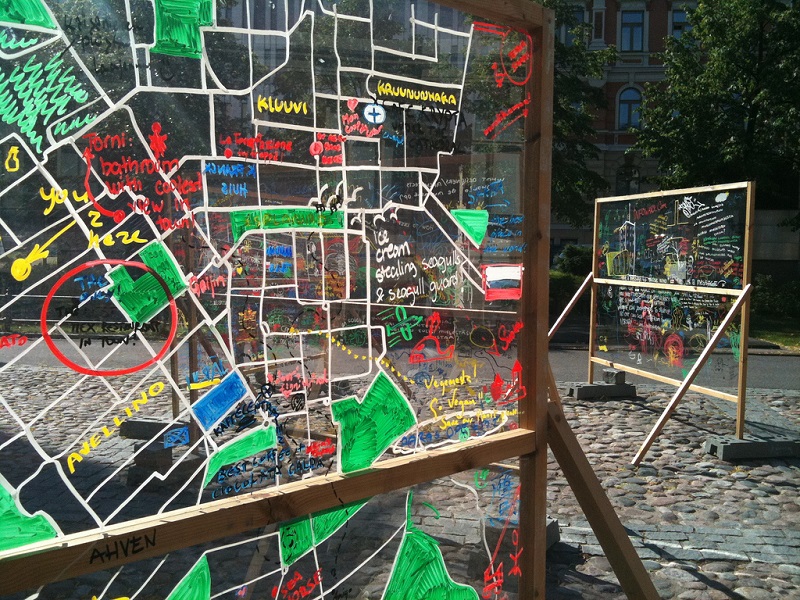
The Planning (Scotland) Bill appeared in December 2017, a little over 2 years since the independent panel carried out a “game-changing review of Scotland’s planning system”.
The Scottish Government’s aims to, “increase delivery of high quality housing developments, by delivering a quicker, more accessible and efficient process, [which will also] reinforce our commitment to a fair and open planning system that works for everyone, especially local communities”, are bold. BEFS members’ have questioned the ability to produce a planning system that works faster for the development industry whilst increasing public engagement and trust.
There are proposals to strengthen the National Planning Framework by merging it with Scottish Planning Policy, and abolish statutory Strategic Development Plans to allow local authorities greater flexibility as to how, and who, they collaborate with. BEFS response raises concerns about the resulting loss of regional agency. The collaborations would follow the pattern established by City Region Deals which have a tendency to be project based, opaque and undemocratic. RTPI Scotland recommends that there should be a duty to require regional partnerships to agree strategic outcomes, which would then in turn inform the National Planning Framework, thereby preventing the loss of regional agency and resulting in subsidiarity rather than a top down national planning system.
Local Development Plan timescales are extended from 5 to 10 years resulting in a cost saving, but the process for their creation remains unclear. Local Development Plans would now require approval by full council, rather than delegated planning committees. Would this help councillors have better regard for the planning system when making decisions within Economy, Finance, Housing, Environment and Transport committees?
Local Place Plans are introduced by the Bill, these can be prepared by a community body, but the LPP must have regard to the Local Development Plan and National Planning Framework with further detail to be prescribed in secondary legislation. The Local Development Plan must in turn “have regard” for any Local Place Plan. The Policy Memorandum is explicit that the funding for a Local Place Plan must be found by the community body. These costs are not insignificant (BEFS suggests significantly higher than the estimate of 12K set out in the Financial Memorandum) and we question how achievable the creation of a Local Place Plan will be for the least heard communities that may benefit most. Many respondents, including Architecture & Design Scotland, raise concerns about the appropriate resourcing of community involvement, and PAS point out that their experience of running charrettes sees the most effective outcomes involve the local authority as a stakeholder.
The Bill’s focus, or more accurately the focus of the secondary legislation, is on increasing community engagement in the preparation of Local Development Plans. Whilst the matter of equal rights of appeal for individuals or communities is explicitly excluded from the Bill, many respondents – including multiple community groups, have made sure this is an issue requiring further examination. BEFS Members’ vary in opinion: Archaeology Scotland, National Trust for Scotland and the Cockburn Association all comment on the need to rebalance the system in various ways. RTPI Scotland does not support changes to the appeal system. BEFS meetings with various political parties suggests that an amendment is likely to be introduced in support of equal rights of appeal but the detail is unclear and Government opposition guaranteed.
Simplified Development Zones replace Simplified Planning Zones. The prime difference is that SDZs could incorporate conservation areas and listed buildings which raises significant concern, the AHSS being particularly strong in opposition to this proposal. The National Trust for Scotland have argued that the detail required for pre-consent on said designations is unlikely to be available. It is of note that the Law Commission are recommending the withdrawal of such zones in Wales.
There is some call for Simplified Development Zones to be linked to alternative means of land value capture – the Scottish Green Party would like them linked to compulsory purchase orders with compensation at existing use value thereby allowing local authorities to follow continental models of development. The Bill as introduced does not acknowledge this, but research being undertaken by the Scottish Land Commission may have an influence.
Members have presented varying views on many of the Bill’s aspects, but in a number of areas we find broad consensus: The Bill should set out the statutory purpose of planning, and ensure resulting sustainable development; development that maintains and enhances places of special value, aligning with the UN Sustainable Development Goals. There is also repeated agreement on the need for appropriate resource to be made available for planning, with RICS Scotland proposing that the use of funds in this area should be seen as an investment, not a cost.
The planning ‘game’ is not significantly changed; we are left looking to secondary legislation for clarity, and the vision for Scotland’s planning system in the 21st Century is found wanting – for both the private sector, and communities of place and interest.
For those wishing to read any particular submission in response to the Bill; BEFS own, and Members responses can be found on our Parliamentary Papers page. And all submissions currently uploaded for the Committee can be found on the following Parliamentary page.
BACK
Isobel Leckie, Causey Development Trust, tells us about the work of the Trust and the design for transforming The Causey.

Background
Edinburgh – already a compact and walkable city – could also be a European exemplar of a city that is designed to be pedestrian and cycle friendly. However, in fact it is one of the least pedestrianised cities in Europe, and still has a long way to go to catch with cities such as Copenhagen and Amsterdam in terms of cycling and walking provision. The Causey project seeks to address this and contribute to turning Edinburgh into this European exemplar!
Causey Development Trust (CDT), a volunteer-led charity has been working for 10 years to transform a historic, car-dominated street, West Crosscauseway, (known locally as “The Causey”), into a place that prioritises people before motor vehicles. This involves creating a new public space out of the distinctive, but currently redundant, triangular traffic island space, and re-configure how pedestrians, cyclists and motor vehicles will use the space.
On the border of the World Heritage site and at the heart of the Southside Conservation area, CDT intends to create an accessible, beautiful and high-quality public space, promoting walking and cycling, which everyone can enjoy and could also host community and art events.
Community engagement
The project has been based around community engagement from the outset, and the design brief for the site was derived from the aspirations of local people as expressed through a series of “Ideas Workshops” held in 2008-9, as well as exhibitions and events. The more detailed concept design for a people-friendly place was developed by Ironside Farrar in conjunction with a client team including CDT representatives, City of Edinburgh Council, Sustrans Scotland, Edinburgh World Heritage and Living Streets Scotland.
CDT has maintained interest in the concept of a people–friendly space by hosting events, most notably the Southsiders: Portrait of a Community project for which local photographer Peter Dibdin photographed 32 portraits of Southside people. Nine life-sized prints were displayed in and around The Causey. Sorcha Carey, Director of the Edinburgh International Festival, is one of CDT’s patrons and we believe The Causey could become a place for art installations, as well community celebrations and even markets.
Design proposal
A design for transforming The Causey is currently submitted to City of Edinburgh Council (CEC) and has recently progressed to the statutory public consultation stage in a Traffic Regulation Order.
The current proposal is a revision of an earlier design submitted to CEC in 2016 which involved closing West Crosscauseway to through traffic. This initial design proposal – which closed off WCC to through traffic – however, met with concerns from some local residents and stakeholders, particularly around the use of a shared space concept, parking and waste vehicles turning in WCC. The current design seeks to address these concerns in a positive and beneficial manner by maintaining through traffic (although in a West-East direction -the opposite direction to currently) and with the intention that strong traffic-calming measures will be introduced at the subsequent detailed design stage. Two-way cycle traffic on West Crosscauseway and the original vision of a new, accessible and beautiful public space are maintained.
For more details about the proposal, process and how you can support CDT’s work please visit our website and comment on the Traffic Order at trafficorders@edinburgh.gov.uk
With no material objections to the TRO capital works could begin in 2018 and fundraising for this work will continue in earnest by CDT. Sustrans Scotland’s Community Links programme will match-fund what we raise and currently we’re at 50% of an estimated £1.6m. We already have funding pledges from Sustrans, Edinburgh World Heritage, University of Edinburgh, City of Edinburgh Council and Central Scotland Green Network.
Can you help us fund this amazing design and transformation? Do you know of sources of funding for public realm capital works? If so please contact us at info@thecausey.org
Follow us on Twitter @The_Causey
BACK